


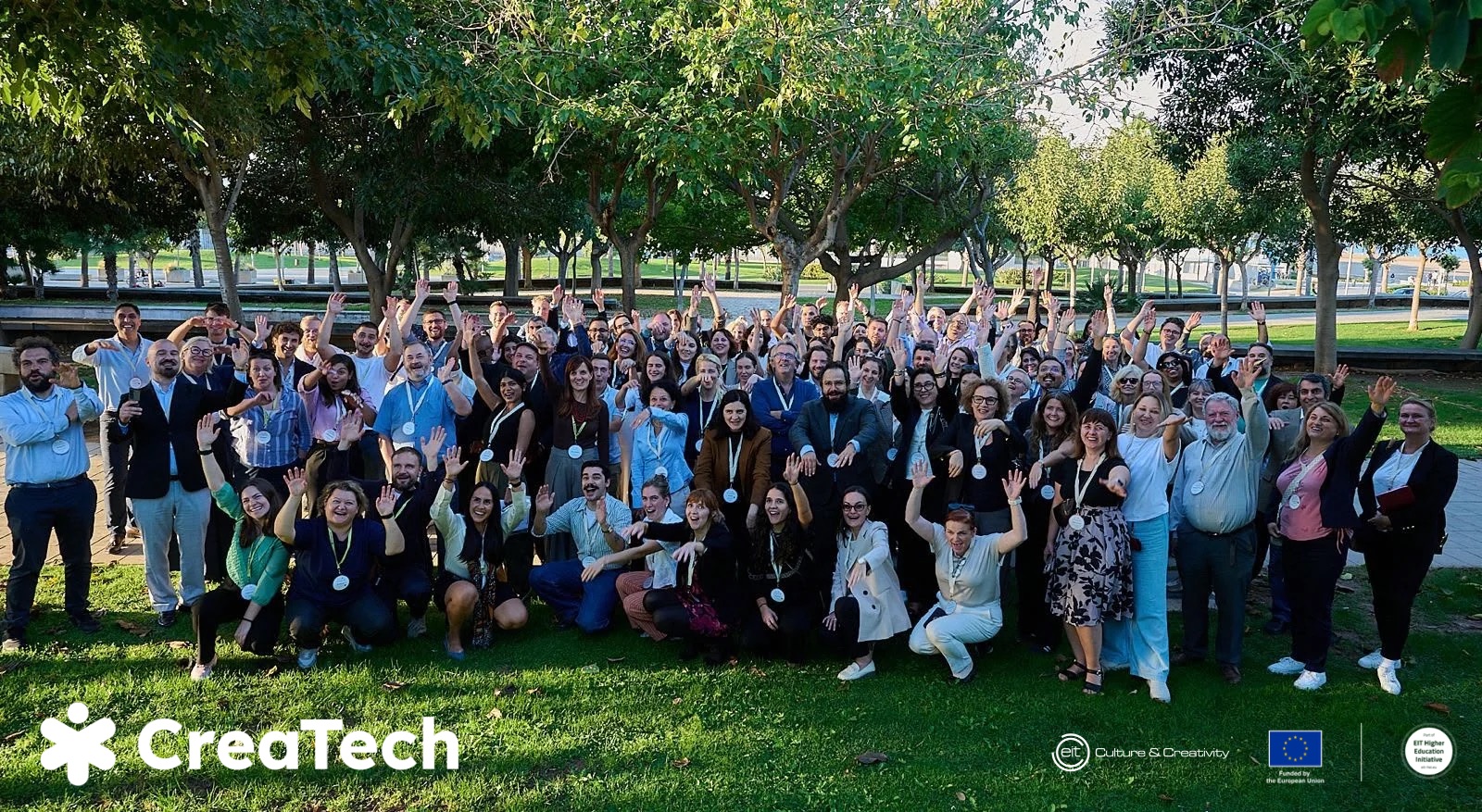
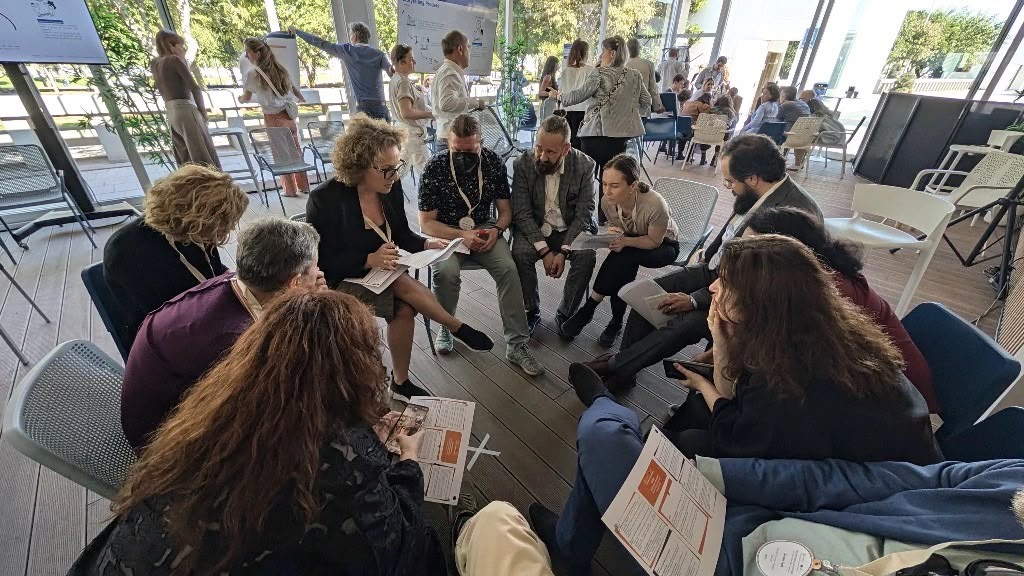
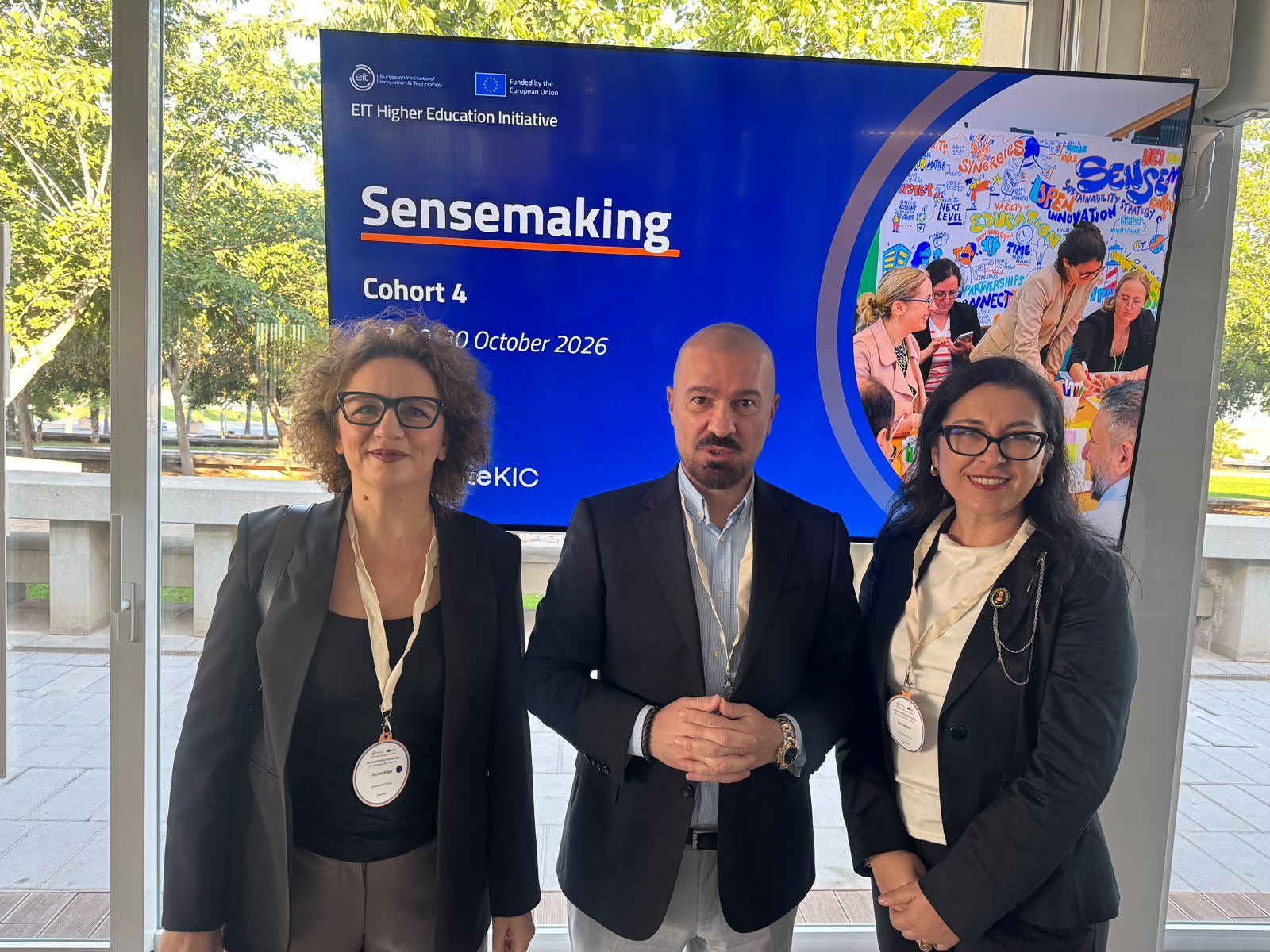

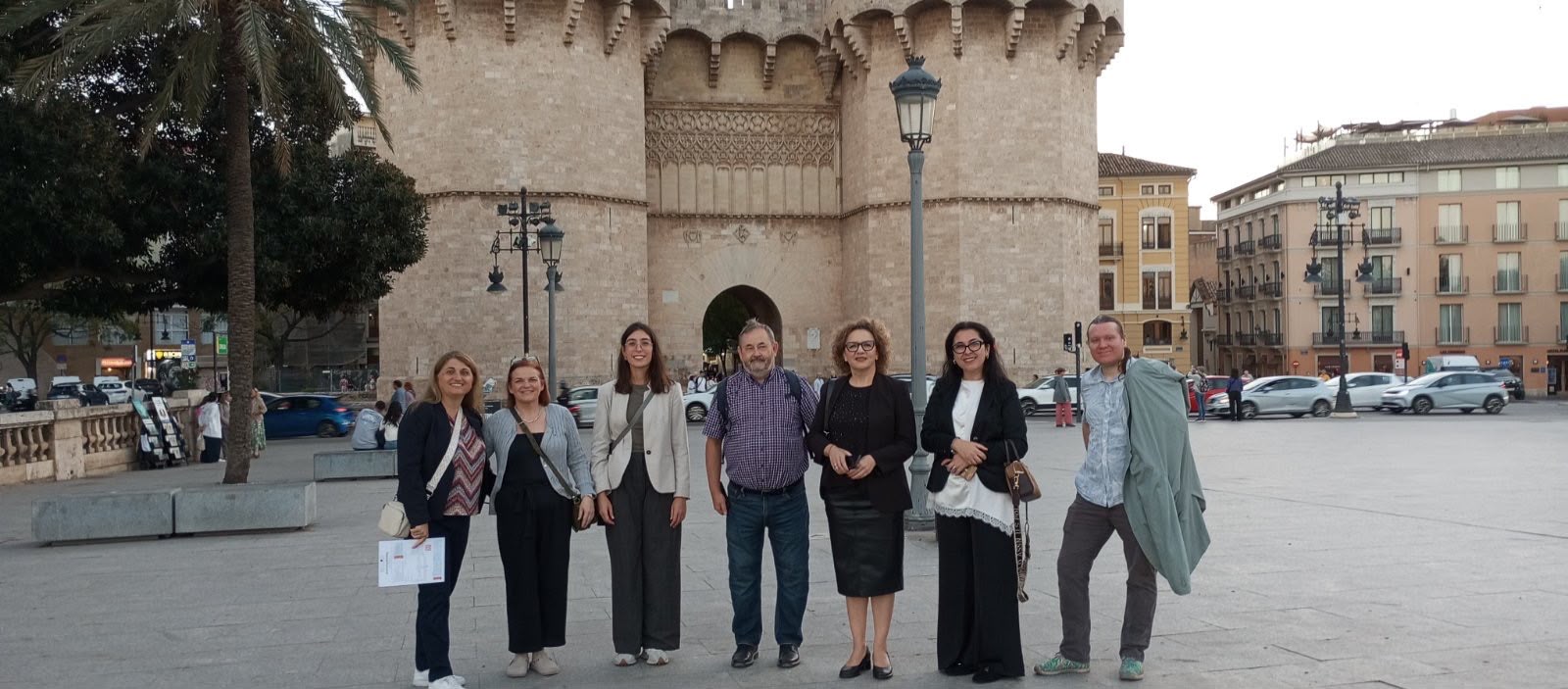
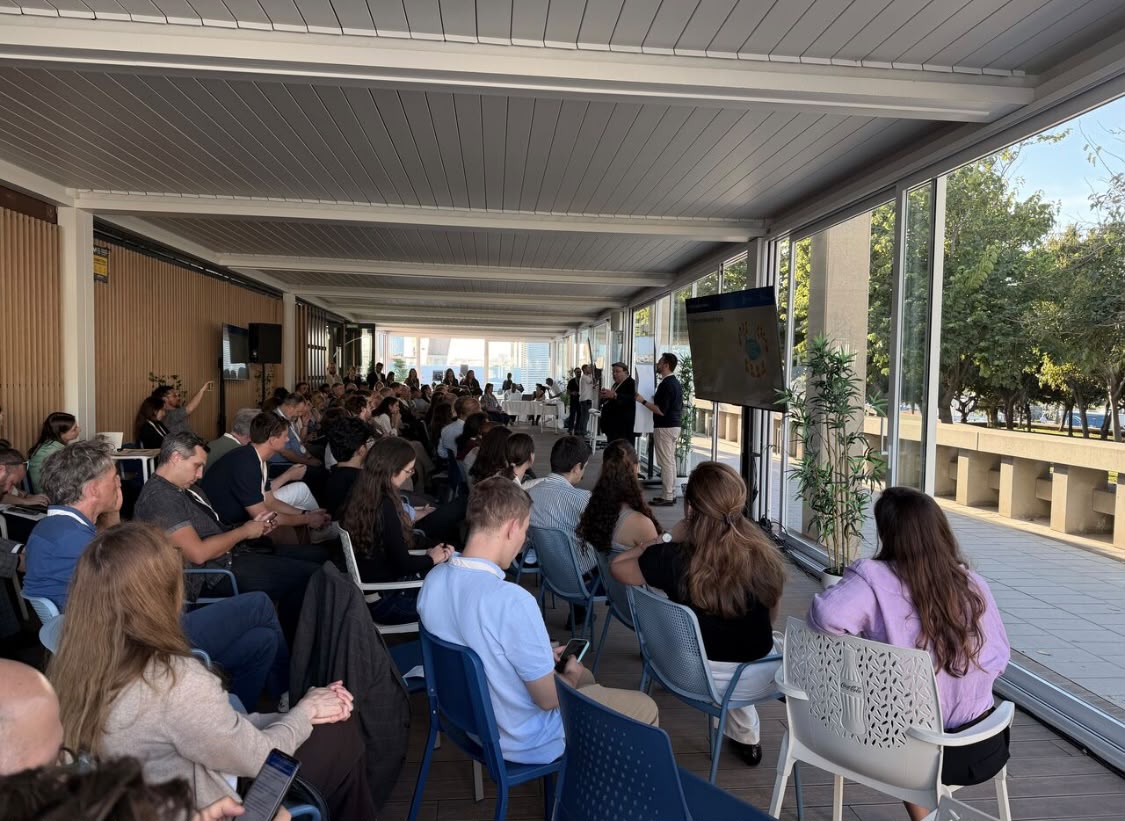
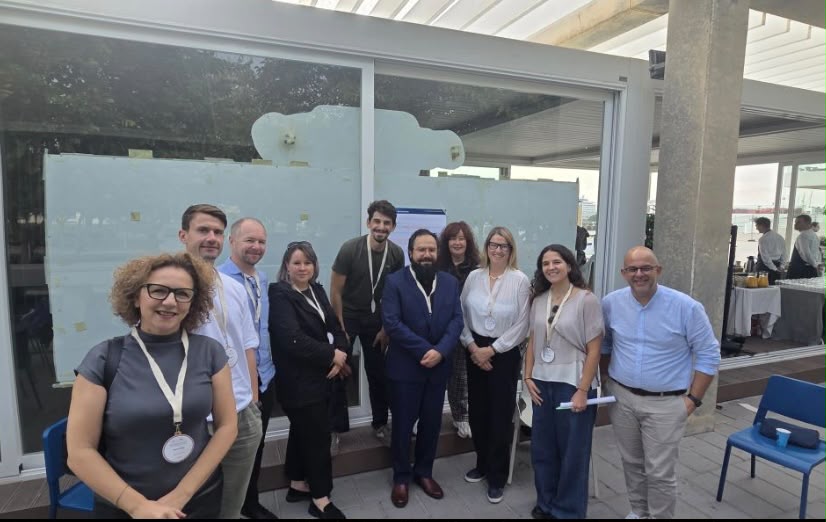
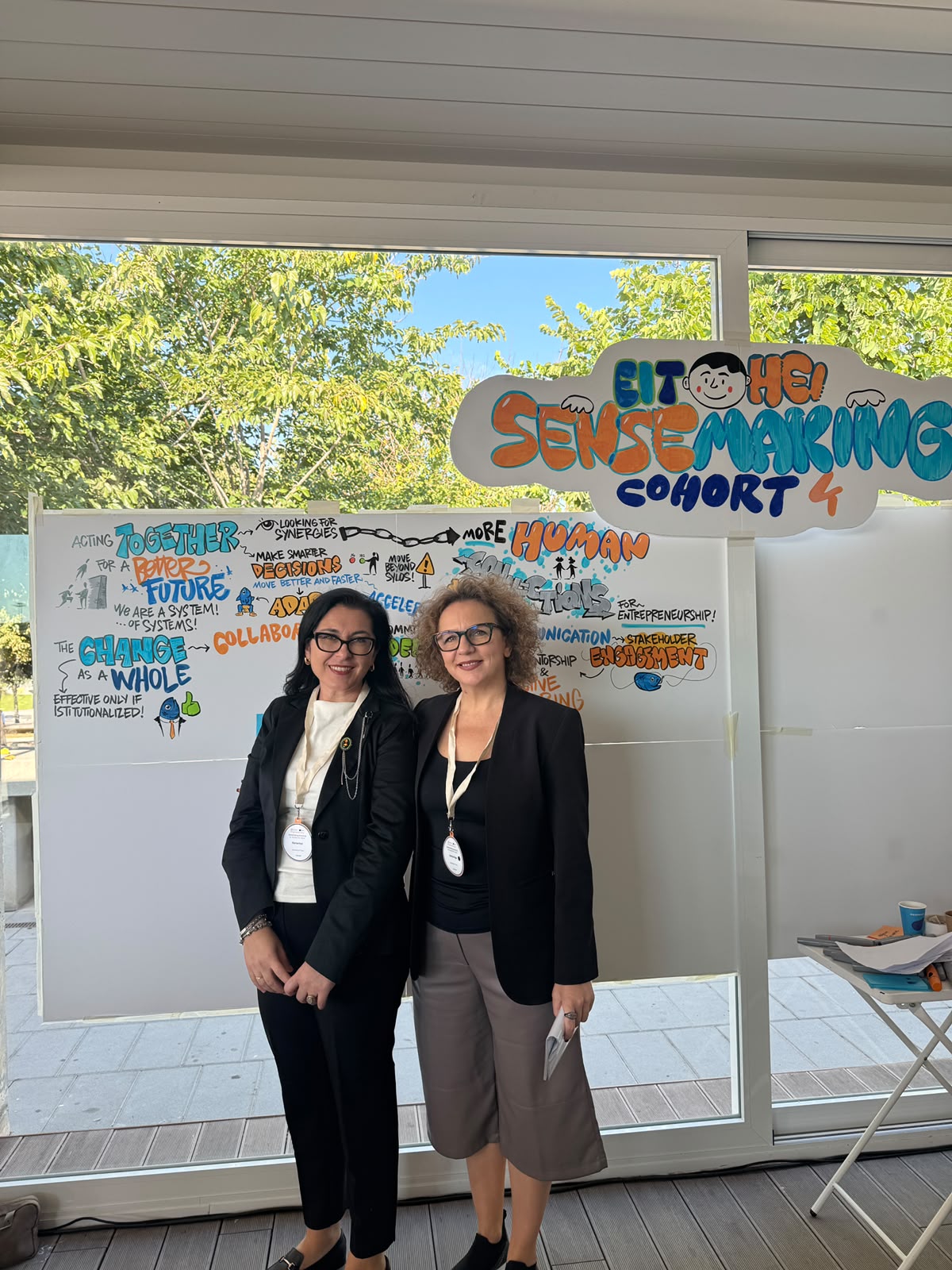
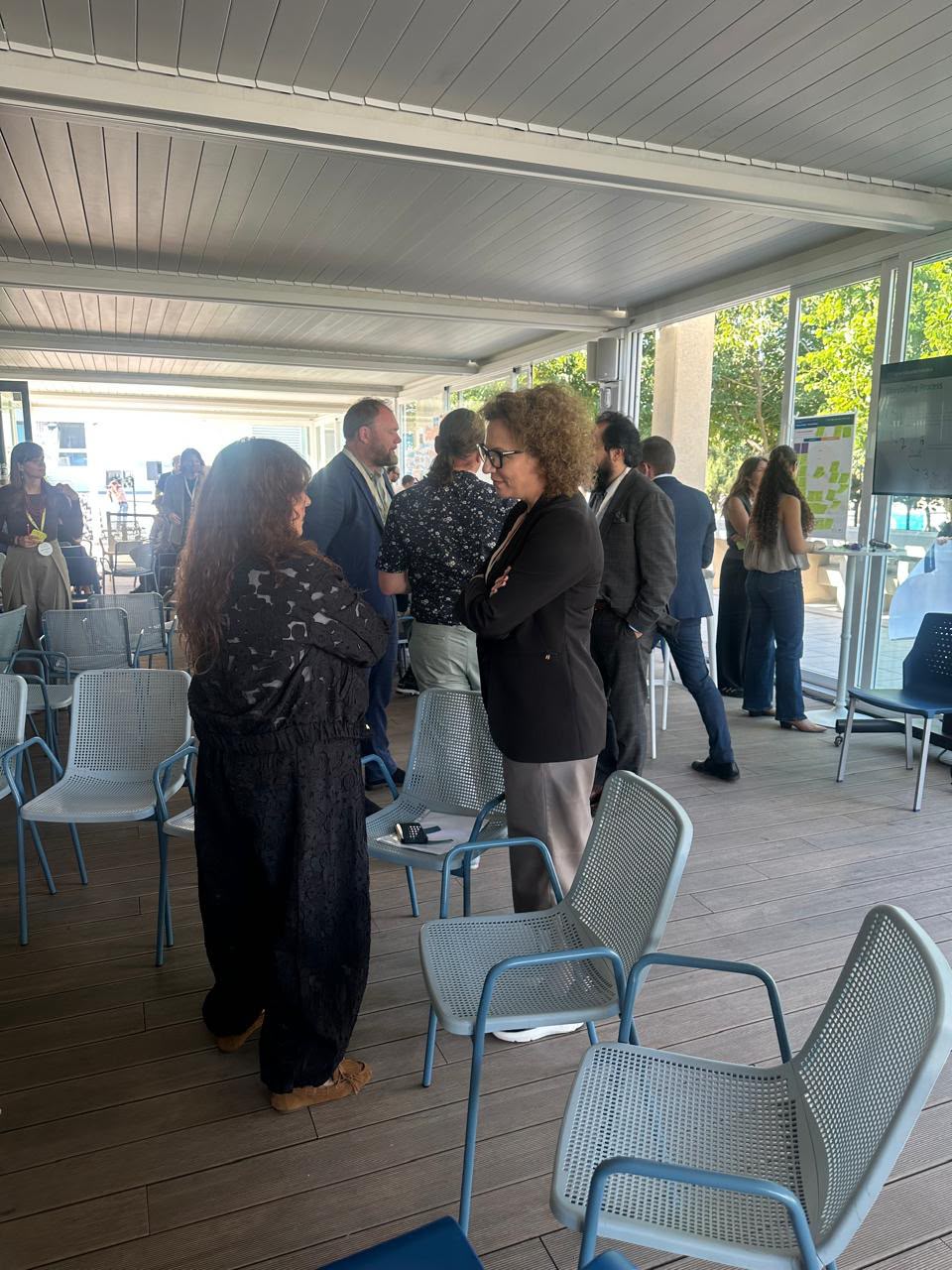
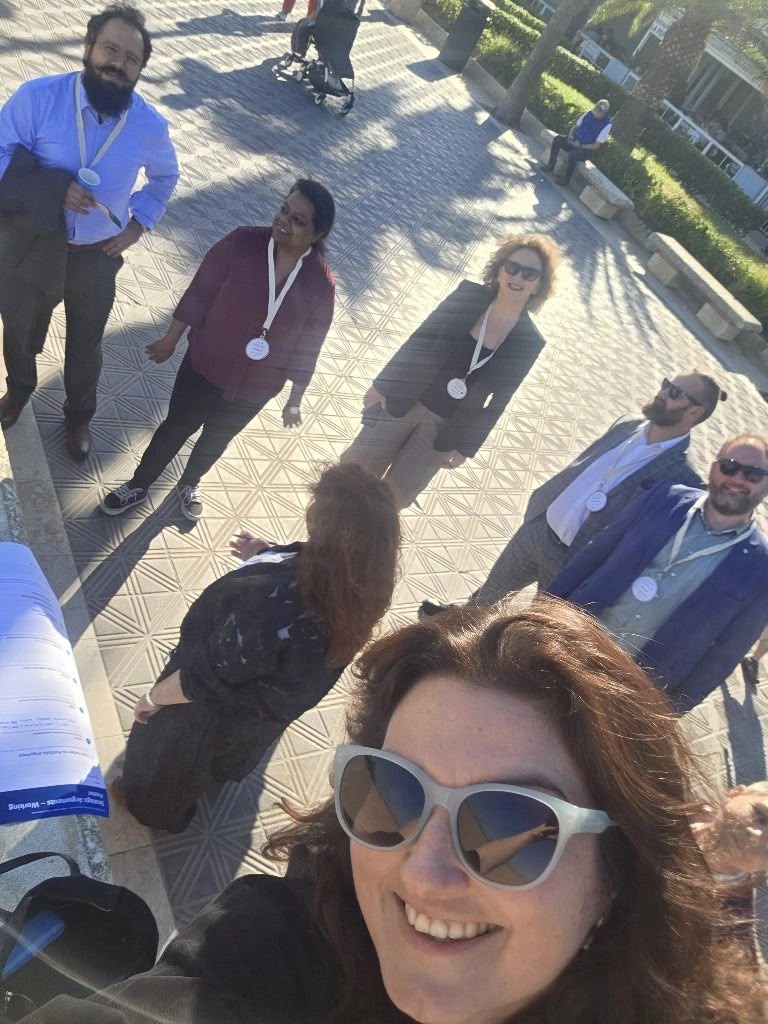
In October 2026, representatives of CreaTech travelled to Valencia for the EIT Higher Education Initiative’s Sensemaking Gathering. Colleagues from AAB College and the University of Tirana joined other EIT HEI projects and the organising teams from Climate-KIC and EIT Culture & Creativity. The question that framed our conversations was simple and demanding: what will remain different in our institutions once the project ends?
To prepare, the team worked through a structured storytelling exercise. Dorina Kripa served as storyteller for CreaTech, and the discussion moved through why the project exists, what it is made of, how it works, what it is changing, and what it has taught us so far.
Why CreaTech exists
CreaTech responds to a set of connected problems. Creative industries often lack the entrepreneurial, digital and green-transition skills they need to grow. Many higher education institutions do not yet have the capacity to support creative startups and innovation. Creative ecosystems also face persistent barriers to funding, growth and collaboration.
Behind the project is a clear ambition: to strengthen universities as drivers of creative innovation and entrepreneurship, and to support digital, green and social transitions, including in widening regions. For the education sector, this means building entrepreneurship and innovation skills into creative education. For local ecosystems, it means connecting universities with businesses, researchers and public authorities.
What the project is made of
CreaTech brings together a broad partnership: CNR, ECHN, Lascò, CED, MateraHub, UNIMED, creative hubs, SMEs, public authorities and wider stakeholders from the cultural and creative industries. Its main non-financial resources are the extensive networks, creative hubs, innovation communities and international university alliances these partners represent, together with methodologies, training resources and tools developed through Horizon Europe, Erasmus+, Creative Europe and EIT-related projects.
The project has also been candid about its constraints. In the past, participating institutions had limited entrepreneurial education capacity and few innovation support structures. Today the challenge is to sustain engagement from external stakeholders and to keep startups and creative sector actors actively involved.
How the solution works
CreaTech combines three main elements. Training and mentoring are offered to both staff and students. Knowledge Labs and a digital platform support innovation and networking. A Startup Booster and innovation challenges help turn ideas into ventures.
Institutionalisation and long-term sustainability are built in from the start. The project aims to embed entrepreneurship and innovation frameworks within higher education institutions. It also relies on transferability strategies, digital platforms and long-term partnerships to carry the work beyond the funding period.
Looking for change, not only for numbers
Dorina Kripa reflected on this in her own account of the gathering. Delivering activities and making change last require different kinds of effort. Workshops, tools and partnerships create opportunities, but their lasting value depends on how people use them, whether colleagues take ownership, and how they become part of everyday institutional practice.
For this reason, CreaTech looks beyond participation figures. The questions that matter are what students and colleagues are now able to do, how they apply what they have learned, and which connections are growing into sustained collaboration. Numbers still matter, but understanding the change behind them helps decide what deserves to continue, what needs to improve, and where to focus next.
The first signs of change are encouraging. Staff are adopting challenge-based teaching approaches. Entrepreneurship is being integrated into curricula. Faculty members are becoming internal champions of innovation. Taken together, they point to a stronger role for educators as drivers of entrepreneurial learning within creative disciplines.
What we have learned
Two lessons stand out. First, experiential, challenge-based learning is significantly more effective than traditional training at changing actual teaching practice. Second, programmes that are co-designed, modular and aligned with institutional needs, and informed by HEInnovate self-assessments, achieve greater engagement. Involving participants in validating content, and supporting faculty champions, encourages voluntary adoption and sustainable institutional change.
Where we go next
Several opportunities are emerging:
- Building on the community of trained educators to create a pan-European network of facilitators for entrepreneurship in the Cultural and Creative Industries.
- Supporting partner institutions as they embed CreaTech methodologies into existing curricula and plan continued use beyond the project’s duration.
- Packaging the CreaTech facilitator training model so that universities outside the consortium can adopt it.
Thanks
We thank Rosanna West, Florinda Artese, Milijana Merdovic, Pamela Ragazzi and Emma Rossell of Climate-KIC, and Bernardina Churruca of EIT Culture & Creativity, for their leadership and for the thoughtful exchange in Valencia. We return with fresh ideas, valuable connections and renewed motivation to move CreaTech forward.